Jewelry product photos for Shopify
Shopify sets very few rules for product pictures, so the work is making a gallery that looks consistent across your own store. This page sets out what Shopify says about listing pictures, which shots buyers of a piece of jewelry look for, and how to get a full set from one photo.
Upload one photo and the main picture is cut out of your own photo, so every pixel of the product stays yours. The other five pictures are drawn by an image model from your photo and checked against it.
Make my set from one photoThe main picture is free; sign in to start.
From one photo of a piece of jewelry
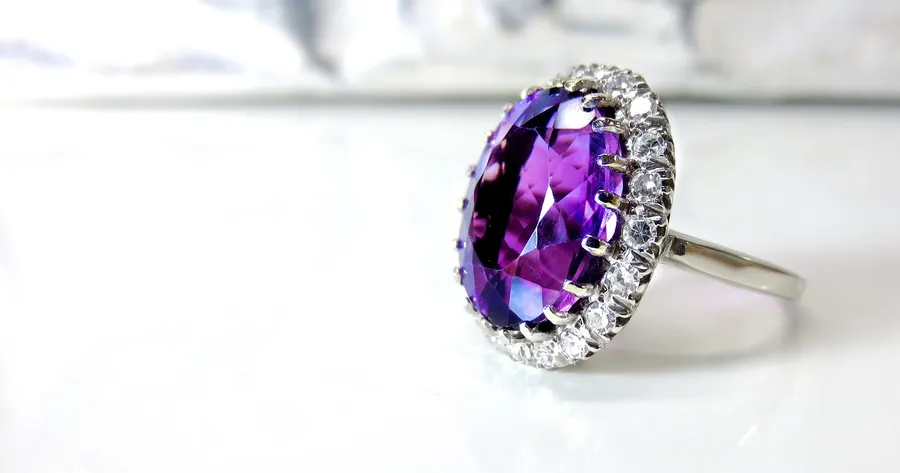
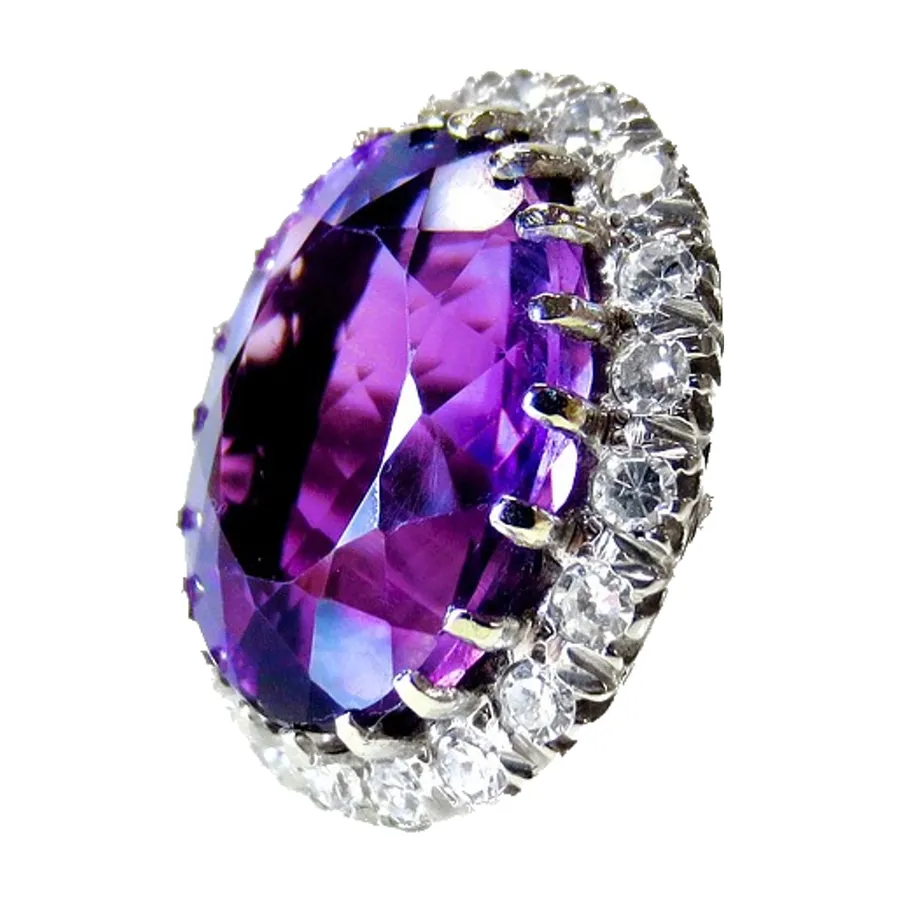
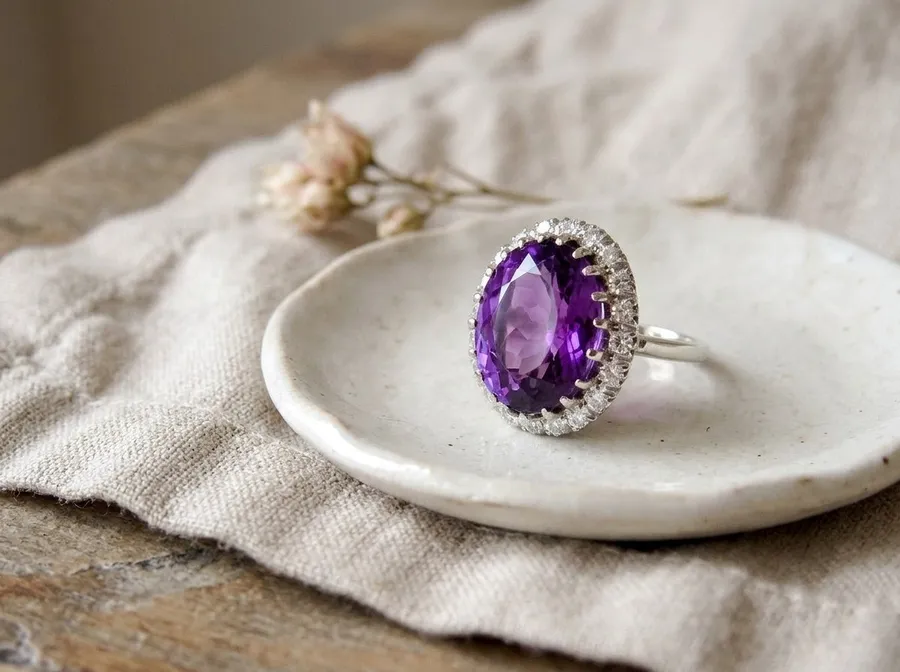
In use, drawn by the image model
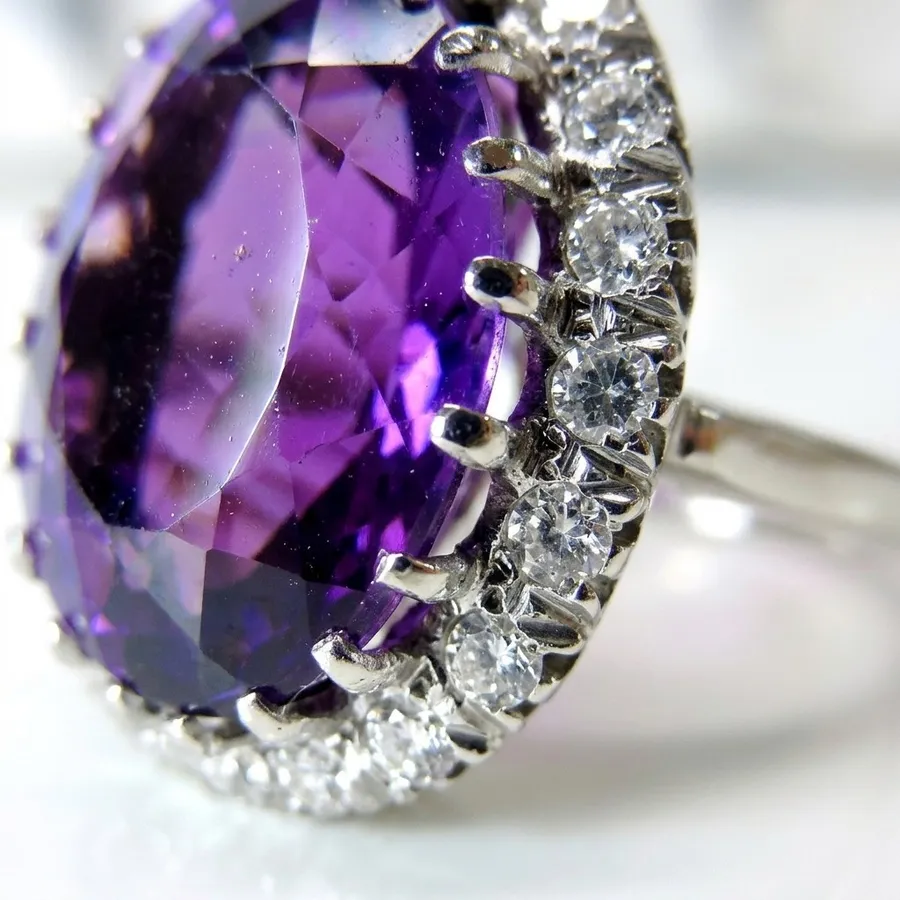
Close-up, drawn by the image model
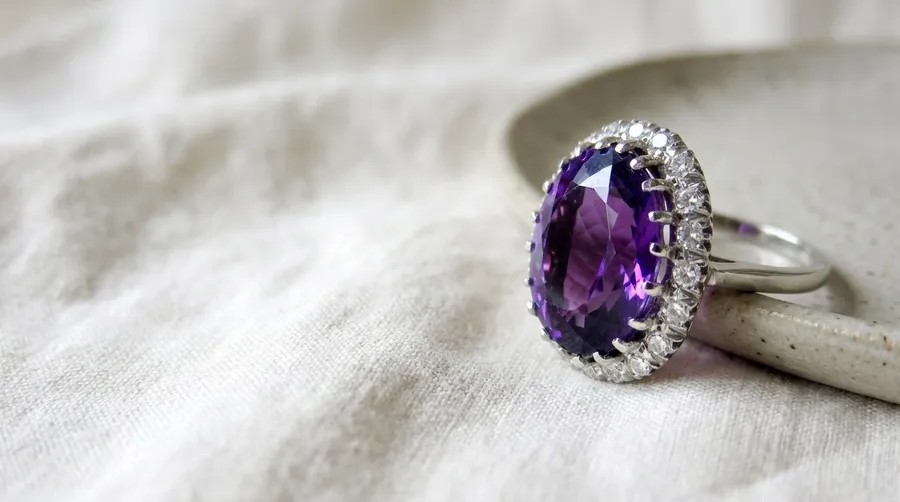
Banner, drawn by the image model
The stone and the setting stay the same across the pictures; the drawn pictures can still shift small facets or claws, so compare them with the ring.
Made on 19 Nov 2026. Source photo by sarakgraves on Pixabay.
The white-background picture we make
- Main picture size
- 2048 × 2048 px, JPEG
- Product size inside it
- about 1741 px on its longest side (85% of the frame)
- Background we make
- pure white (RGB 255), set by code, not drawn
What Shopify says about pictures
Read on Shopify Help Center: product media types on 2026-11-19. Rules change: check the source before you upload.
- RequiredProduct images can be any size up to 5000 × 5000 px, or 25 megapixels.
- RequiredFile size under 20 MB.
- AdvisedBest file type is PNG, then JPEG. TIFF, BMP, GIF, SVG, HEIC and WebP are also accepted.
- AdvisedFor square product images, 2048 × 2048 px usually displays best.
- AdvisedUse a consistent aspect ratio for your featured (main) images so collection pages line up.
Watch out on Shopify
- Shopify does not require a white background, so the pictures made here can all go straight into the gallery.
- Pick one shape for your featured images (square is the usual choice) and keep to it across products.
The six pictures, for a piece of jewelry
Main picture (1:1)
For jewelry: A clean main picture on a neutral or white background is the standard first photo.
On Shopify: Your featured image: a clean, consistent first picture for the product page and collection grids.
In use (4:3)
For jewelry: A worn or displayed shot gives the scale a plain picture cannot.
On Shopify: A gallery image that shows the product in use.
Flat lay (1:1)
On Shopify: A gallery image from above, good for collection pages with a flat-lay style.
Close-up (1:1)
For jewelry: Shoppers zoom into stones, engraving and finish before they buy.
On Shopify: A gallery image for texture and detail.
Story (9:16)
On Shopify: Use it for social stories and ads that link to the product.
Banner (16:9)
On Shopify: Use it as a collection banner or a homepage hero for the product.
What buyers of jewelry check
- The real size: a ring, a pendant or an earring is hard to judge without something to compare.
- The clasp, the setting and the back of the piece.
- Metal and stone color that matches what arrives.
- How it looks worn.
Common mistakes
- Fingerprints and dust, which show up at zoom.
- Reflections of the photographer or the room in polished metal.
- A white balance that turns silver yellow or gold gray.
Questions
How do I photograph shiny jewelry?
Use soft, diffused daylight from a window and a plain surface, and avoid direct flash. Clean the piece first: marks show at zoom, and reflections of the room can hide detail.
What size should Shopify product photos be?
Shopify says product images can be up to 5000 × 5000 px (25 megapixels) and under 20 MB, and that 2048 × 2048 px usually displays best for square images.
Does Shopify need a white background?
No. Shopify's help page sets no background rule; it advises a consistent aspect ratio for your featured images.
What does a set of pictures cost?
The main picture cut out of your own photo is free. Each of the other five pictures costs 25 credits, so a full set is 125 credits. A picture that fails the label check is made again once, and refunded if it still fails.
Will the pictures match my product?
The cut-out main picture uses your own pixels. The other pictures are drawn by an image model, which can change small details, and it can only guess the sides your photo does not show. Each one is checked against your photo for the product and its main label, but always compare them with the real item.
Try it with your own photo
One photo of your jewelry product in, six pictures out, with the category and Shopify already chosen.
Make my setMarketplace rules change and differ by region. This page summarises what the marketplace's own help says and does not promise that any picture will be accepted.